
Introduction
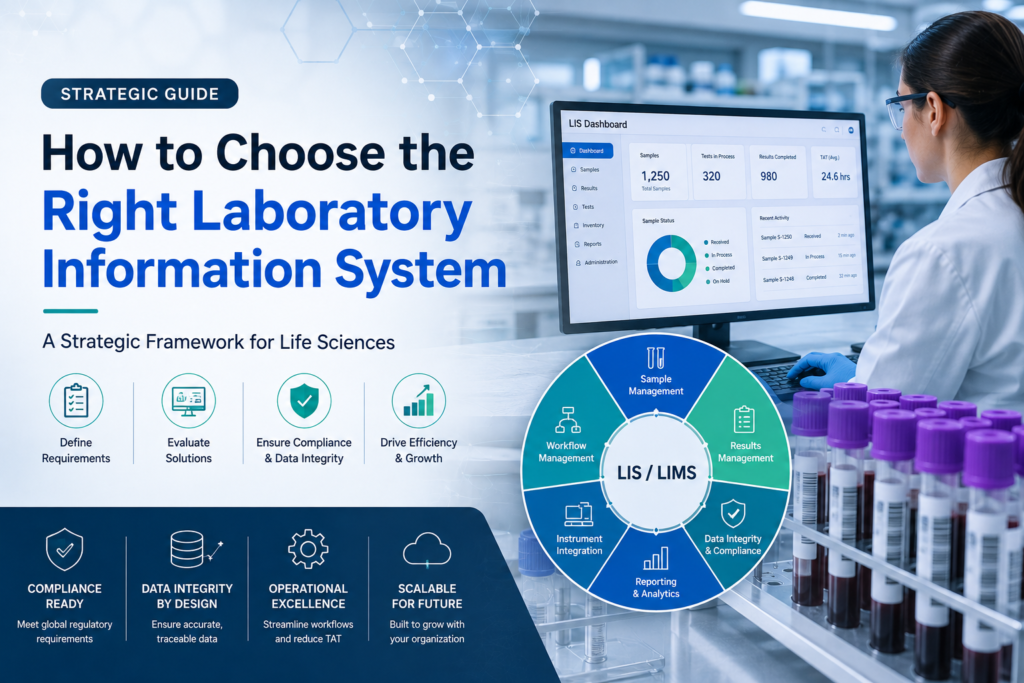
Laboratories across the life sciences industry are undergoing a significant digital transformation. From clinical diagnostics and research laboratories to pharmaceutical quality control and manufacturing environments, organizations increasingly rely on digital systems to manage samples, workflows, instruments, results, and scientific data. However, selecting a Laboratory Information System (LIS) is not simply a matter of comparing software features. The right platform must fit the laboratory’s operational requirements, integrate effectively with the existing technology ecosystem, support applicable regulatory expectations, protect data integrity, and remain scalable as the organization grows. A poorly planned system selection can result in expensive customization, integration challenges, user resistance, compliance gaps, and difficulties during future upgrades. A well-planned selection process, on the other hand, can establish a strong informatics foundation that improves laboratory efficiency, visibility, traceability, and decision-making.
Understanding the Role of a Modern Laboratory Information System
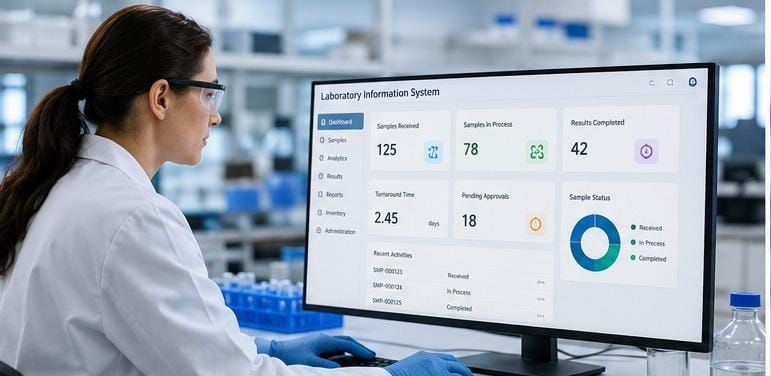
A modern Laboratory Information System has evolved far beyond being a digital repository for laboratory results. Today’s laboratories require connected systems capable of coordinating workflows, managing samples, exchanging information with instruments and enterprise applications, and providing reliable access to scientific data. In clinical and diagnostic environments, an LIS can connect patient information with testing workflows and results, while research and quality-focused environments may use laboratory informatics platforms to manage samples, experiments, instruments, analytical results, and associated metadata. The value of an LIS comes from its ability to connect these activities into a controlled digital workflow.
Instead of relying heavily on spreadsheets, paper records, manual transcription, and disconnected applications, laboratories can use integrated platforms to create greater visibility across the laboratory lifecycle. A modern system can automate repetitive workflows, track samples throughout their lifecycle, capture and manage laboratory results, reduce manual data entry, connect laboratory instruments and applications, maintain audit trails, improve data accessibility, and support standardized laboratory processes. For this reason, an LIS should be viewed as an important component of the laboratory’s broader digital infrastructure rather than simply another software application.
LIS vs. LIMS: Understanding the Difference

One of the first decisions an organization needs to make is whether it requires a Laboratory Information System, a Laboratory Information Management System, or a combination of laboratory technologies. Although LIS and LIMS are sometimes used interchangeably, they traditionally address different operational requirements. An LIS is generally designed for clinical and diagnostic laboratory environments and is typically patient-centric, supporting workflows associated with clinical testing, diagnostic reporting, pathology, and related healthcare processes. A LIMS, on the other hand, is generally more sample-centric and is widely used in research, pharmaceutical, biotechnology, manufacturing, quality control, environmental testing, and other scientific laboratory environments.
The appropriate choice depends on the organization’s primary operational model. A clinical diagnostic laboratory may require an LIS, while a pharmaceutical research or quality-control laboratory may benefit more from a LIMS. Some organizations operate hybrid environments in which clinical, research, and manufacturing workflows need to exchange information. In such situations, interoperability becomes particularly important. Choosing a platform simply because of its name or category can result in unnecessary customization and integration challenges. Organizations should first document their workflows and business requirements before deciding which technology best fits their operational and scientific needs.
Start With Requirements, Not Vendors
One of the most important principles of laboratory system selection is to define requirements before beginning detailed vendor evaluations. Starting with vendor demonstrations can cause the selection process to become heavily influenced by the features a particular vendor chooses to showcase. Instead, laboratories should first establish what they actually need from the system. A cross-functional selection team should bring together representatives from laboratory operations, scientific teams, quality assurance, regulatory and compliance functions, information technology, data management, cybersecurity, and business leadership. Each stakeholder group brings a different perspective. Laboratory professionals may focus on usability and workflow efficiency, IT teams may prioritize architecture, security, integration, and maintainability, while quality teams may concentrate on validation, audit trails, and data integrity. Bringing these perspectives together creates a more comprehensive and practical selection framework.
Developing a Strong User Requirements Specification
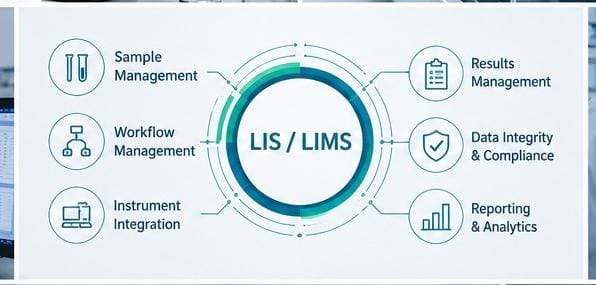
The User Requirements Specification, or URS, should serve as one of the central documents guiding the LIS selection process. It should clearly describe what the laboratory expects the system to accomplish and distinguish essential capabilities from desirable features. Functional requirements can include sample registration and tracking, workflow management, test scheduling, result entry and approval, instrument integration, inventory management, reporting, user management, electronic signatures, and audit trail functionality. These requirements describe what the system should actually do.
Non-functional requirements describe how the system should perform. These may include availability, performance, scalability, security, disaster recovery, backup and restoration, integration capabilities, maintainability, usability, data retention, and technical support. Both categories are important when evaluating laboratory software. A system may provide excellent laboratory functionality but still create operational difficulties if it cannot scale with increasing data volumes, integrate with other applications, or satisfy the organization’s security and availability expectations.
Configuration vs. Customization
Another important consideration during system selection is the amount of customization required. Configuration generally involves using capabilities already available within the platform to adapt workflows, rules, permissions, and settings to the laboratory’s requirements. Customization, by contrast, typically involves developing unique functionality or modifying the system beyond its standard capabilities. Customization can be useful when an organization has highly specialized processes, but excessive customization can increase implementation complexity and make future upgrades more difficult.
Before approving customization, organizations should consider whether the required workflow can be achieved through standard configuration and how custom functionality could affect future upgrades, validation, maintenance, and long-term costs. A flexible platform that can satisfy most core requirements through configuration is generally preferable, while custom development should be reserved for genuinely unique processes that provide significant operational or scientific value.
Evaluating Vendors Through Real Laboratory Scenarios
Vendor demonstrations are an important part of the selection process, but organizations should avoid evaluating platforms solely through generic sales presentations. Vendors should be asked to demonstrate realistic laboratory scenarios based on the organization’s actual workflows. For example, the demonstration could begin with sample receipt and registration and continue through testing, instrument data transfer, result review, approval, exception handling, reporting, and audit trail review. This approach allows stakeholders to understand not only whether a particular feature exists but also how effectively the platform supports real laboratory operations.
Organizations should also evaluate vendors based on product capabilities, integration options, cybersecurity, regulatory support, scalability, vendor stability, technical support, and product development plans. A platform should be able to support the laboratory’s current requirements while providing a realistic path for future growth. Reviewing the vendor’s long-term product roadmap is particularly important because laboratory technology continues to evolve alongside automation, cloud platforms, advanced analytics, artificial intelligence, and increasingly connected scientific ecosystems.
Regulatory Compliance and Data Integrity
For laboratories operating in regulated environments, compliance should be considered from the beginning of the system-selection process. Laboratory information systems may need to support requirements associated with FDA 21 CFR Part 11, EU Annex 11, GxP expectations, data integrity principles, and other applicable quality requirements. Compliance should not be treated as a final checkbox during procurement. Organizations need to understand how the technical and operational controls within the system support the intended regulated processes.
Data integrity is particularly important because laboratory decisions depend on the reliability, completeness, and traceability of scientific information. A well-designed laboratory system should support controlled workflows, appropriate user access, audit trails, electronic signatures, and reliable data retention. When information is modified, the system should provide an appropriate record of what changed, who made the change, when it occurred, and, where required, the reason for the change. These controls help organizations maintain confidence in laboratory records and provide greater transparency during quality reviews and regulatory inspections.
Designing for ALCOA+ Data Integrity
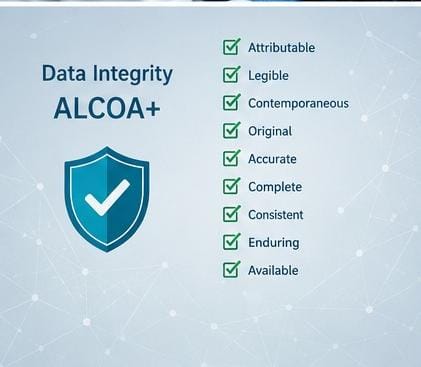
The ALCOA principles provide an important framework for maintaining trustworthy scientific data. Data should be attributable, legible, contemporaneous, original, and accurate. The extended ALCOA+ principles also emphasize that data should be complete, consistent, enduring, and available. Laboratory information systems can help organizations support these principles by providing controlled workflows, audit trails, user authentication, electronic signatures, appropriate permissions, and reliable record retention.
Data integrity should not be considered only as a technical feature. It is also influenced by laboratory processes, user behavior, system configuration, procedures, and organizational controls. Therefore, the selection of an LIS should consider how the platform supports both technical data controls and the laboratory’s overall quality system.
21 CFR Part 11 and Electronic Records
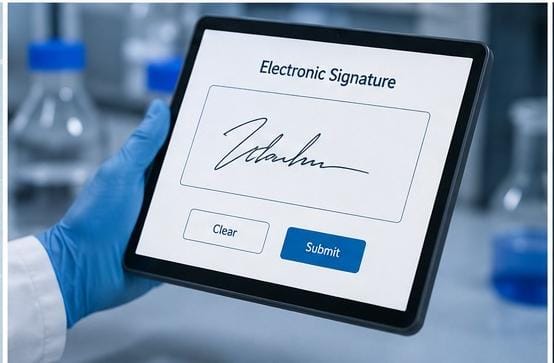
Organizations working with FDA-regulated electronic records should carefully evaluate how the selected system supports applicable 21 CFR Part 11 requirements. Important capabilities can include controlled user access, unique user identification, electronic signatures, audit trails, record protection, and controls designed to prevent unauthorized changes to electronic records.
However, purchasing software that is marketed as “Part 11 compliant” does not automatically make an organization’s entire laboratory process compliant. Compliance depends on how the system is configured, validated, operated, maintained, and governed within the organization’s specific environment. This is why system selection should be accompanied by an appropriate validation and quality strategy that reflects the intended use of the technology.
Computer System Validation and Computer Software Assurance
Laboratory systems used in regulated processes must remain in a controlled state throughout their lifecycle. Organizations should therefore evaluate how the selected system can support their validation or assurance strategy. The increasing adoption of risk-based Computer Software Assurance approaches encourages organizations to focus assurance activities on functions that have the greatest potential impact on product quality, patient safety, and data integrity.
During the selection process, organizations should consider intended use, risk classification, critical functionality, supplier assessment, testing requirements, change control, upgrade processes, and available validation documentation. The goal is not simply to create large volumes of documentation but to establish appropriate evidence that the system is suitable for its intended purpose and remains under control throughout its lifecycle.
Build, Buy, or Partner?
Organizations evaluating laboratory informatics solutions may consider building a proprietary system, purchasing a commercial platform, or working with a technology and implementation partner. Building an internal solution can provide a high degree of flexibility and control, but it also makes the organization responsible for development, cybersecurity, maintenance, upgrades, integrations, validation, documentation, and adaptation to changing regulatory expectations. The long-term resource requirements can become significant.
Commercial platforms provide established functionality and ongoing product development and can reduce the amount of software development required internally. However, implementation, configuration, integration, validation, licensing, and support still require careful planning. A third approach is to combine commercial technology with specialist implementation and informatics expertise. An experienced partner can help translate laboratory requirements into a practical system architecture, manage integrations, support validation activities, and reduce implementation risks. The appropriate model ultimately depends on the organization’s resources, scientific requirements, regulatory environment, existing technology landscape, and long-term digital strategy.
Looking Beyond the Initial License Cost
The initial software license is only one component of the overall investment associated with a laboratory information system. Organizations should develop a long-term Total Cost of Ownership model that considers implementation, configuration, customization, integration, data migration, validation, infrastructure, training, support, upgrades, cybersecurity, and ongoing administration.
A platform with a lower initial price may ultimately become more expensive if it requires extensive customization, complex integrations, or significant maintenance. Similarly, a system that cannot scale with increasing sample volumes or user requirements may eventually require expensive migration to another platform. Evaluating costs across the expected lifecycle provides a more realistic basis for comparing competing solutions.
Cloud vs. On-Premise Laboratory Systems

Cloud-based laboratory platforms have become increasingly attractive because of their scalability, accessibility, and reduced infrastructure management requirements. However, choosing between cloud and on-premise deployment should be based on the organization’s specific operational, regulatory, security, and business requirements.
When evaluating a cloud-based LIS or LIMS, organizations should examine areas such as data security, access controls, backup and disaster recovery, vendor responsibilities, data residency, system availability, integration architecture, change management, validation or assurance requirements, and business continuity. The important question is not simply whether a platform is cloud-based. Instead, organizations should determine whether the platform’s architecture and operating model are appropriate for the laboratory’s scientific, regulatory, security, and business needs.
Implementation: Selection Is Only the Beginning
Selecting an LIS is only the first stage of a successful laboratory digital transformation. The implementation approach has a major influence on whether the organization achieves the expected benefits from its investment. Implementation should be carefully planned around laboratory workflows, data migration, integrations, validation, training, and change management.
A structured implementation can begin with requirements definition and solution selection before moving into solution design, configuration, integration development, data migration, testing, validation, user training, pilot deployment, production go-live, post-go-live support, and continuous improvement. The exact approach will depend on the complexity of the laboratory, number of users and locations, integration requirements, data volumes, and applicable regulatory expectations.
A phased rollout can be particularly useful for complex environments because it allows organizations to test workflows in a controlled setting before expanding the solution across additional departments or locations. This approach can help identify technical and operational challenges early and reduce disruption to laboratory activities.
Change Management and User Adoption
Even a technically advanced laboratory system can fail to deliver its expected value if users do not adopt it effectively. Scientists, technicians, quality professionals, and other laboratory personnel need to understand how the new system affects their responsibilities and how it can improve their daily workflows.
Effective adoption requires early user involvement, practical training, role-based learning, clear communication, feedback mechanisms, and post-go-live support. Organizations can also identify experienced users who can act as internal champions and help colleagues adapt to new processes. Change management should therefore be treated as a core component of the implementation strategy rather than an activity that begins immediately before go-live.
Measuring Success After Implementation
Laboratories should establish measurable objectives before implementing a new system so that its performance can be evaluated after deployment. Relevant indicators may include reductions in manual data entry, fewer transcription errors, improved sample turnaround time, better instrument utilization, shorter workflow cycle times, increased user adoption, improved system availability, elimination of manual processes, improved data quality, and stronger audit or compliance performance.
Tracking these indicators provides organizations with evidence of whether the new platform is delivering the intended operational and scientific benefits. It can also identify areas where additional configuration, training, process improvement, or system optimization may be required.
Planning for Long-Term Sustainability
Laboratory informatics should not be treated as a one-time technology project. Laboratories continuously evolve as new instruments are introduced, sample volumes increase, regulations change, analytical technologies develop, and organizations adopt new digital capabilities. The selected LIS should therefore be capable of evolving alongside the organization.
Long-term interoperability may require connections with Laboratory Information Management Systems, Electronic Laboratory Notebooks, Scientific Data Management Systems, Enterprise Resource Planning systems, Electronic Health Records, instrument data platforms, analytics environments, data lakes, and artificial intelligence technologies. A flexible integration strategy can help organizations avoid creating isolated digital systems that cannot communicate effectively with one another.
Long-term sustainability also requires appropriate processes for system updates, user management, security, data governance, change control, and ongoing validation or assurance. Organizations should evaluate these requirements before selecting a platform rather than attempting to address them only after implementation.
How Texium Solutions Can Support Your Laboratory Informatics Journey
Selecting and implementing a laboratory information system requires more than choosing software. It requires an understanding of laboratory workflows, scientific data, system integrations, compliance requirements, users, and long-term business objectives. At Texium Solutions, our approach focuses on helping organizations develop laboratory technology strategies that are practical, scalable, and aligned with their scientific and operational goals.
From requirements definition and platform evaluation to implementation, integration, validation, and ongoing optimization, a structured informatics approach can help laboratories reduce technology risks and create a stronger foundation for digital transformation. The right laboratory information system should not simply digitize existing processes. It should help laboratories operate more efficiently, maintain trustworthy data, connect their scientific ecosystem, and prepare for emerging technologies.
Conclusion
Choosing an LIS is a strategic decision whose impact extends far beyond the initial software purchase. A successful selection process begins with clearly defined requirements and strong stakeholder alignment. It then evaluates functionality, integration, security, data integrity, regulatory expectations, scalability, total cost of ownership, vendor capabilities, implementation methodology, and long-term support.
Organizations should also consider how the selected platform will fit into their broader laboratory informatics ecosystem and whether it can adapt as scientific and technological requirements evolve. When approached strategically, LIS selection becomes more than a software procurement exercise. It becomes an opportunity to establish a connected, compliant, and data-driven laboratory environment that supports current operations while preparing the organization for future innovation.
Frequently Asked Questions
What is a Laboratory Information System?
A Laboratory Information System, commonly known as an LIS, is a software platform used to manage laboratory information and workflows. Depending on the laboratory environment, it can support patient or sample management, testing workflows, result management, reporting, instrument integration, and data traceability.
What is the difference between an LIS and a LIMS?
An LIS is generally associated with clinical and diagnostic laboratories and is typically patient-centric, while a LIMS is generally sample-centric and widely used in research, pharmaceutical, biotechnology, manufacturing, and quality-control environments. However, the capabilities of modern laboratory platforms can overlap considerably, so organizations should evaluate systems according to their actual workflows and requirements rather than relying solely on product terminology.
What should be considered when selecting an LIS?
A comprehensive LIS selection process should consider functional requirements, technical architecture, integration capabilities, cybersecurity, data integrity, regulatory requirements, scalability, usability, vendor support, implementation methodology, and long-term costs. Organizations should also consider whether the system can integrate with the wider laboratory technology ecosystem.
Does an LIS need to support 21 CFR Part 11?
If an organization uses electronic records or electronic signatures within an applicable FDA-regulated process, 21 CFR Part 11 requirements may apply. The specific compliance obligations depend on the intended use of the electronic records and the regulatory context in which the laboratory operates. Organizations should evaluate both the software capabilities and the way the system will be configured and used.
How important is data integrity when selecting an LIS?
Data integrity is fundamental to trustworthy laboratory operations, particularly in regulated environments. The selected system should provide appropriate controls for audit trails, user access, electronic signatures, data traceability, record protection, and retention. Organizations should also ensure that their procedures and user practices support the same data integrity principles.
Should laboratories choose a cloud-based LIS?
Cloud deployment can provide advantages such as scalability, accessibility, and reduced infrastructure management, but it is not automatically the right choice for every laboratory. Organizations should evaluate security, regulatory requirements, data governance, integration, business continuity, availability, and vendor responsibilities before deciding between cloud and on-premise deployment.
How long does LIS implementation take?
The implementation timeline varies considerably depending on laboratory complexity, number of users, number of locations, system integrations, data migration requirements, validation expectations, and organizational readiness. A detailed assessment of requirements and implementation scope should be completed before establishing a realistic project timeline.
Why is a URS important before selecting an LIS?
A User Requirements Specification provides an objective foundation for evaluating different laboratory platforms. It allows organizations to compare vendors against their actual operational and scientific requirements instead of making a decision primarily based on sales presentations or generic software features.
What is the role of an informatics partner?
An informatics partner can support organizations throughout the laboratory technology lifecycle by helping define requirements, evaluate technology options, design integrations, support implementation, manage validation or assurance activities, and develop a sustainable long-term informatics strategy. The right partner can help connect technology decisions with laboratory workflows and business objectives.