
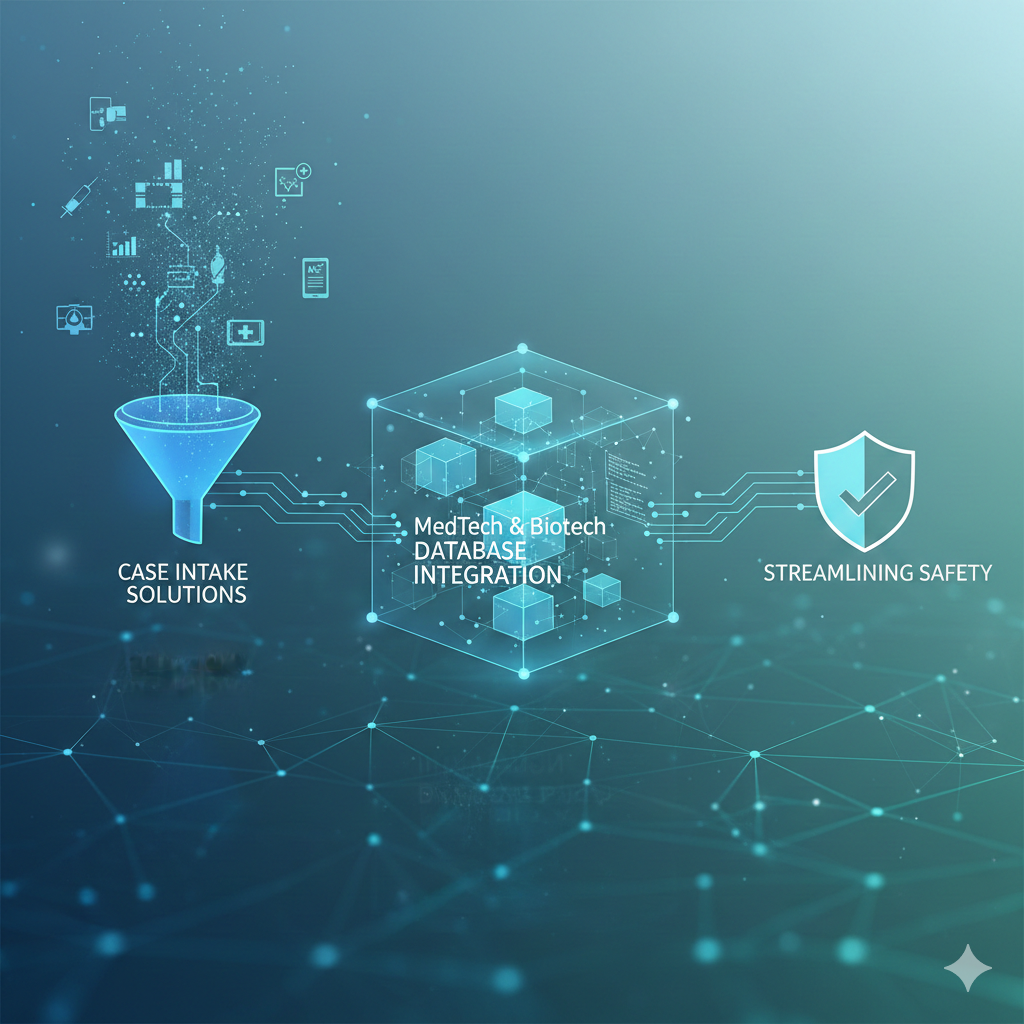
In the highly regulated MedTech and Biotech industries, efficient adverse event reporting isn’t just a compliance requirement — it’s a patient safety imperative. As regulatory scrutiny intensifies and reporting volumes grow, organizations are discovering that their case intake processes can make or break their pharmacovigilance operations.
The Challenge of Modern Case Intake
MedTech and Biotech companies face a complex landscape when managing adverse event reports. Cases arrive through multiple channels: healthcare professionals call hotlines, patients submit online forms, regulatory authorities forward reports, and clinical trial sites document events. Each source brings its own format, urgency level, and data quality challenges.
Traditional manual intake processes create bottlenecks that delay case processing, increase the risk of data entry errors, and make it difficult to meet stringent regulatory timelines. When a serious adverse event occurs, every hour counts — both for patient safety and regulatory compliance.
What Makes an Effective Case Intake Solution?
The most effective case intake solutions share several critical characteristics that directly address industry pain points.
Multi-Channel Integration is fundamental. Modern solutions must seamlessly capture cases from phone calls, emails, web portals, mobile apps, and electronic health records. This omnichannel approach ensures no adverse event falls through the cracks, regardless of how it’s reported.
Intelligent Data Capture leverages natural language processing and structured forms to extract relevant information accurately. The system should guide users through the intake process, prompting for critical details like product information, patient demographics, and event descriptions while allowing flexibility for unique situations.
Real-Time Validation catches incomplete or inconsistent data at the point of entry. Built-in business rules check for mandatory fields, flag potential duplicates, and verify data formatting before cases enter the safety database. This front-line quality control dramatically reduces downstream processing time.
The Power of Seamless Database Integration
Integration with safety databases like Oracle Argus, ArisGlobal LifeSphere, or Veeva Vault Safety represents the cornerstone of modern case intake solutions. Effective integration eliminates the manual bridging that plagues many organizations.
Direct API connections enable automatic case creation in the safety database the moment intake is complete. Product dictionaries, coding dictionaries, and configuration settings sync bidirectionally, ensuring consistency across systems. When a safety specialist updates case information, those changes propagate appropriately without manual intervention.
This seamless flow accelerates case processing timelines significantly. What once took hours of manual data entry and verification now happens in minutes, allowing safety teams to focus on medical review and causality assessment rather than administrative tasks.
Compliance and Audit Readiness
Regulatory agencies expect organizations to demonstrate robust pharmacovigilance systems. Modern case intake solutions build compliance into every interaction through comprehensive audit trails that automatically log every action, timestamp each data entry, and track user access.
The system maintains version control for all case modifications and generates regulatory-ready reports at the click of a button. During inspections, this complete documentation trail demonstrates due diligence and system reliability to auditors.
Scalability for Growing Organizations
As MedTech and Biotech companies expand their product portfolios and geographic reach, case volumes can increase dramatically. Cloud-based intake solutions scale effortlessly to handle volume spikes during product launches or safety signals without requiring infrastructure investments.
The flexibility to configure workflows for different products, markets, or regulatory requirements ensures the solution grows with the organization rather than constraining it.
Measuring Success
Organizations implementing modern case intake solutions typically see measurable improvements across key metrics. Case processing times often decrease by 40–60%, data quality scores improve significantly, and regulatory compliance rates approach 100%. Perhaps most importantly, safety teams report higher job satisfaction as they spend more time on meaningful medical assessment and less on data entry drudgery.
Looking Forward
The future of case intake lies in increased automation and artificial intelligence. Machine learning algorithms will become more sophisticated at extracting information from unstructured sources, predicting case seriousness, and identifying potential signals earlier. Integration with real-world evidence sources and patient registries will provide richer context for safety assessment.
However, technology must always serve the fundamental mission: protecting patient safety through vigilant monitoring and rapid response to potential risks.
Conclusion
For MedTech and Biotech organizations, the case intake process represents the critical first step in pharmacovigilance. Investing in robust intake solutions that integrate seamlessly with safety databases delivers immediate operational benefits while building a foundation for long-term compliance and patient safety excellence.
The question isn’t whether to modernize case intake processes, but how quickly organizations can implement solutions that meet today’s demands while preparing for tomorrow’s challenges.
Ready to transform your case intake processes? Contact Texium Solutions to learn how our integrated safety solutions can streamline your pharmacovigilance operations while ensuring regulatory compliance and data integrity.
