Artificial intelligence is transforming laboratories across the life sciences industry. From predicting experiment outcomes to improving quality control and accelerating drug discovery, AI has become an essential part of modern scientific research. However, one fact is often overlooked. Even the most advanced AI models cannot deliver reliable insights if the data behind them is incomplete, […]

In today’s data-driven life sciences landscape, laboratories generate massive volumes of complex, heterogeneous data across instruments, systems, and platforms. Yet, one of the biggest challenges remains: how do we make this data seamlessly usable across the ecosystem? The answer lies in lab interoperability — and increasingly, in standardized frameworks like the Allotrope Simple Model (ASM) JSON format. 1. […]
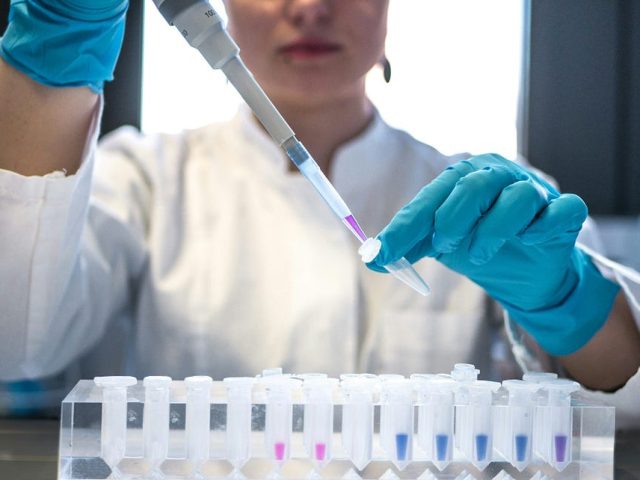
Introduction: From Data Overload to Discovery Acceleration Scientific research has entered a data-intensive era. With advances in genomics, high-throughput screening, imaging technologies, and digital health, laboratories are generating more data than ever before. While this explosion of data holds immense promise, it also introduces a critical bottleneck: analysis. Manual data processing — once sufficient — is now slowing down […]