The journey of bringing a new drug or medical device to market is a marathon, not a sprint. Clinical trials, the crucial phase of testing safety and efficacy in humans, are often the longest and most expensive leg of this journey. But what if we could inject a surge of efficiency and precision into this […]
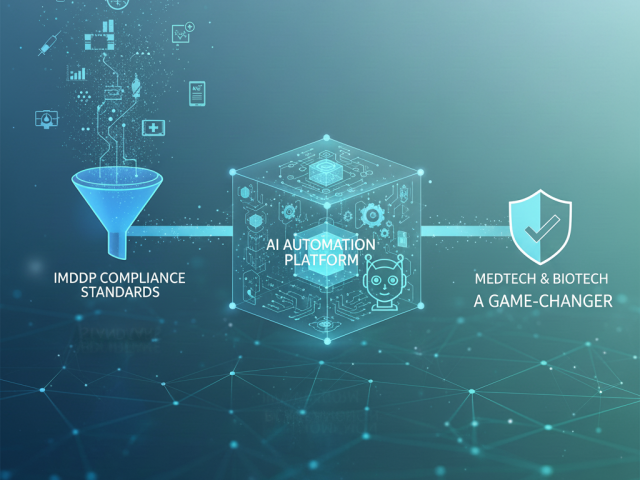
The International Medical Device Regulators Forum (IMDRF) has established a comprehensive framework for adverse event reporting that applies across multiple jurisdictions, creating both challenges and opportunities for MedTech and Biotech organizations. As regulatory requirements become increasingly complex and reporting volumes surge, artificial intelligence is emerging as a transformative force in compliance management. Understanding the IMDRF […]
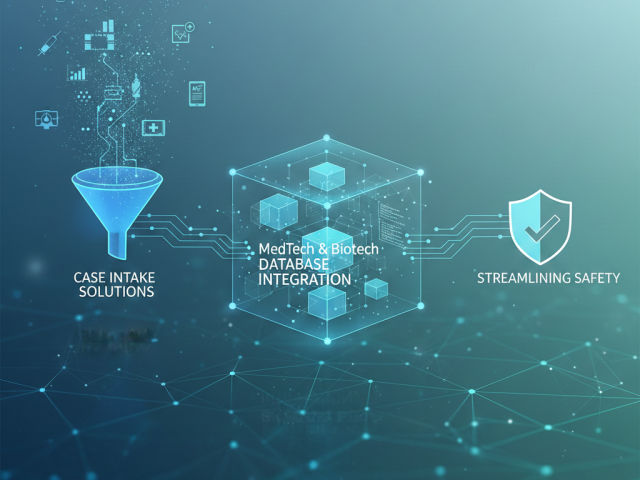
In the highly regulated MedTech and Biotech industries, efficient adverse event reporting isn’t just a compliance requirement — it’s a patient safety imperative. As regulatory scrutiny intensifies and reporting volumes grow, organizations are discovering that their case intake processes can make or break their pharmacovigilance operations. The Challenge of Modern Case Intake MedTech and Biotech companies face a […]
In the complex world of drug and device safety, the ability to detect potential safety signals before they escalate into widespread health concerns represents one of the most critical functions in pharmacovigilance. Every day, thousands of adverse event reports flow into safety databases worldwide, each containing potential clues about product safety profiles. Hidden within this […]
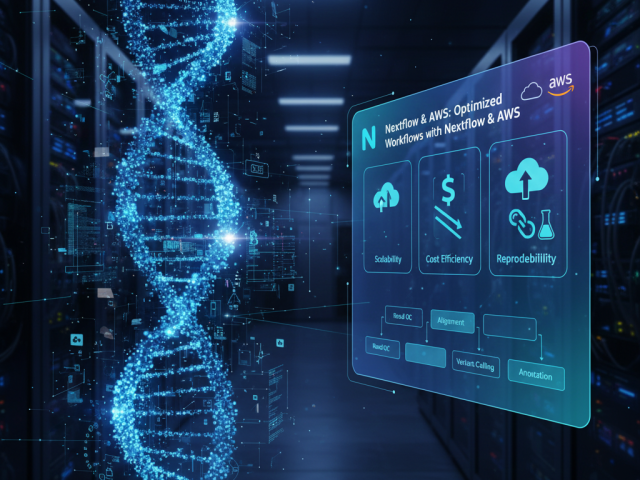
Harness the power of cloud computing and workflow orchestration to accelerate your bioinformatics research Introduction Bioinformatics has entered an era of unprecedented data generation. A single genomic sequencing project can produce terabytes of raw data, requiring complex multi-step analysis pipelines that coordinate dozens of computational tools. Traditional on-premises infrastructure struggles to keep pace with these […]
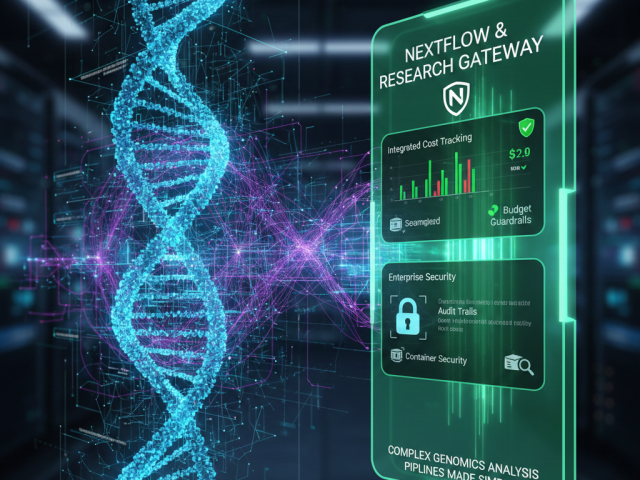
Complex Genomics Analysis Pipelines Made Simple with Nextflow & Research Gateway: Integrated Cost Tracking and Security Transforming genomic research with scalable, secure, and cost-effective workflow orchestration Introduction The genomics landscape has evolved dramatically over the past decade. What once took years and millions of dollars to sequence a single human genome now takes hours and costs […]

In today’s data-driven life sciences landscape, laboratories generate massive volumes of complex, heterogeneous data across instruments, systems, and platforms. Yet, one of the biggest challenges remains: how do we make this data seamlessly usable across the ecosystem? The answer lies in lab interoperability — and increasingly, in standardized frameworks like the Allotrope Simple Model (ASM) JSON format. 1. […]

Introduction: From Data Overload to Discovery Acceleration Scientific research has entered a data-intensive era. With advances in genomics, high-throughput screening, imaging technologies, and digital health, laboratories are generating more data than ever before. While this explosion of data holds immense promise, it also introduces a critical bottleneck: analysis. Manual data processing — once sufficient — is now slowing down […]